Local Regulations and Compliance for Short-Term Rentals in Maricopa County
DS
Understanding Local Regulations
Short-term rentals have become a popular option for homeowners and travelers alike. However, operating a short-term rental in Maricopa County involves navigating a complex landscape of local regulations. Understanding these rules is crucial for compliance and successful operation.
Maricopa County requires hosts to comply with specific zoning laws. These laws determine where short-term rentals can operate. It's important to check if your property is in a zone that allows for such rentals to avoid any legal complications.

Registration and Licensing
One of the first steps in setting up a short-term rental in Maricopa County is obtaining the necessary licenses. The county mandates that all short-term rental properties be registered with the local authorities. This process involves submitting an application and paying a registration fee.
Additionally, hosts must ensure they have the appropriate business license. This step not only legitimizes the rental operation but also ensures compliance with tax regulations. Staying informed about any updates to these requirements is vital.

Safety and Health Standards
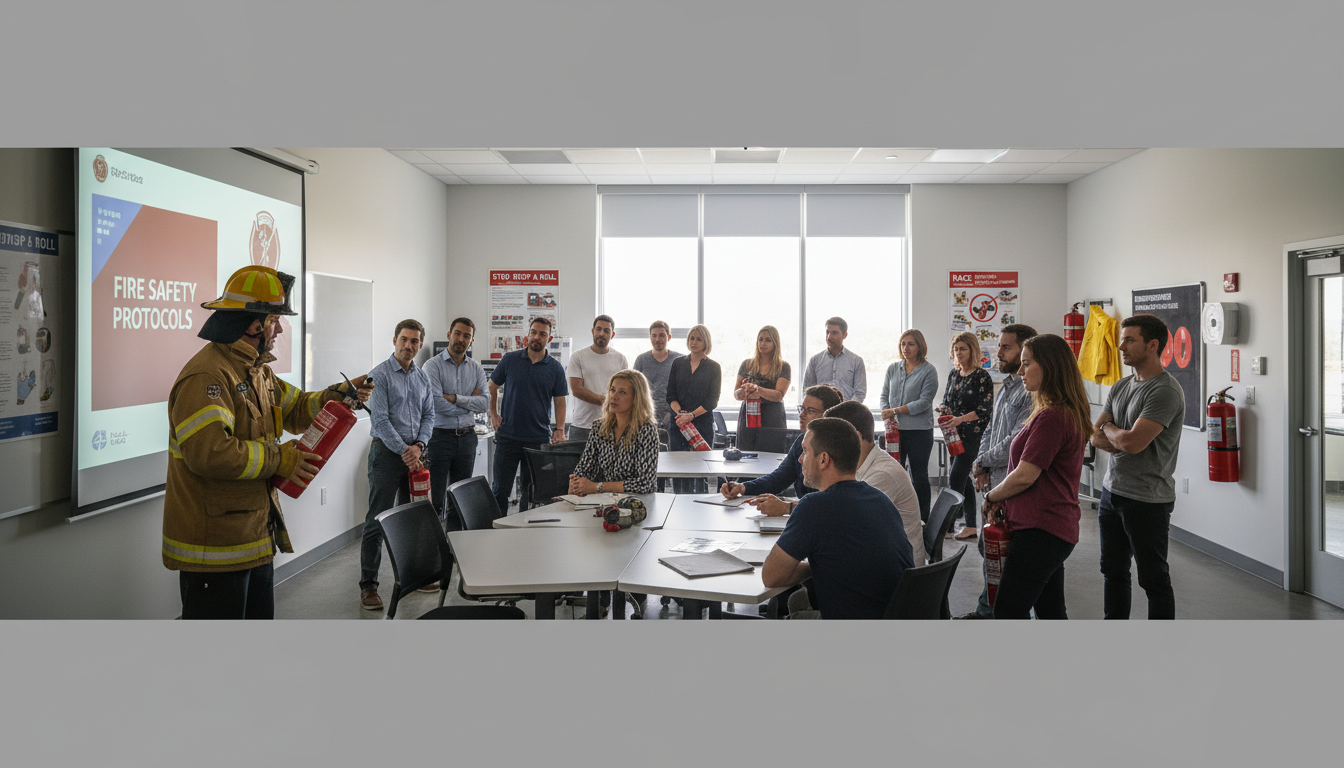
Compliance with safety and health standards is another critical aspect of managing a short-term rental. Maricopa County has specific guidelines to ensure the safety of guests. These include fire safety measures, cleanliness standards, and the provision of emergency contact information.
Hosts must install smoke detectors and fire extinguishers and ensure that the property is well-maintained. Regular inspections may be required to ensure ongoing compliance with these standards.
Tax Obligations
Operating a short-term rental also involves understanding and fulfilling tax obligations. In Maricopa County, hosts are responsible for collecting and remitting transient occupancy taxes. These taxes are similar to those imposed on hotels and vary depending on the location of the rental.
Staying on top of these tax obligations is essential to avoid penalties and ensure the smooth operation of your rental business. Consider consulting with a tax professional to navigate these requirements efficiently.
Impact on the Community
Short-term rentals can have a significant impact on local communities. Maricopa County has implemented regulations to minimize disturbances to neighbors, such as noise restrictions and occupancy limits.
Hosts are encouraged to foster positive relationships with neighbors by adhering to these regulations and addressing any community concerns promptly. This approach not only ensures compliance but also enhances the reputation of your rental.
Staying Informed and Adaptable
The landscape of regulations for short-term rentals is continually evolving. Staying informed about changes in local laws is crucial for ongoing compliance. Joining local host associations or online forums can provide valuable insights and updates.
Being adaptable and proactive in your approach to compliance will help ensure the longevity and success of your short-term rental business in Maricopa County.